Christmas Marble Video: Sugar Plum Fairy and Carol of the Bells
By Cihad Turhan · · 5 min read
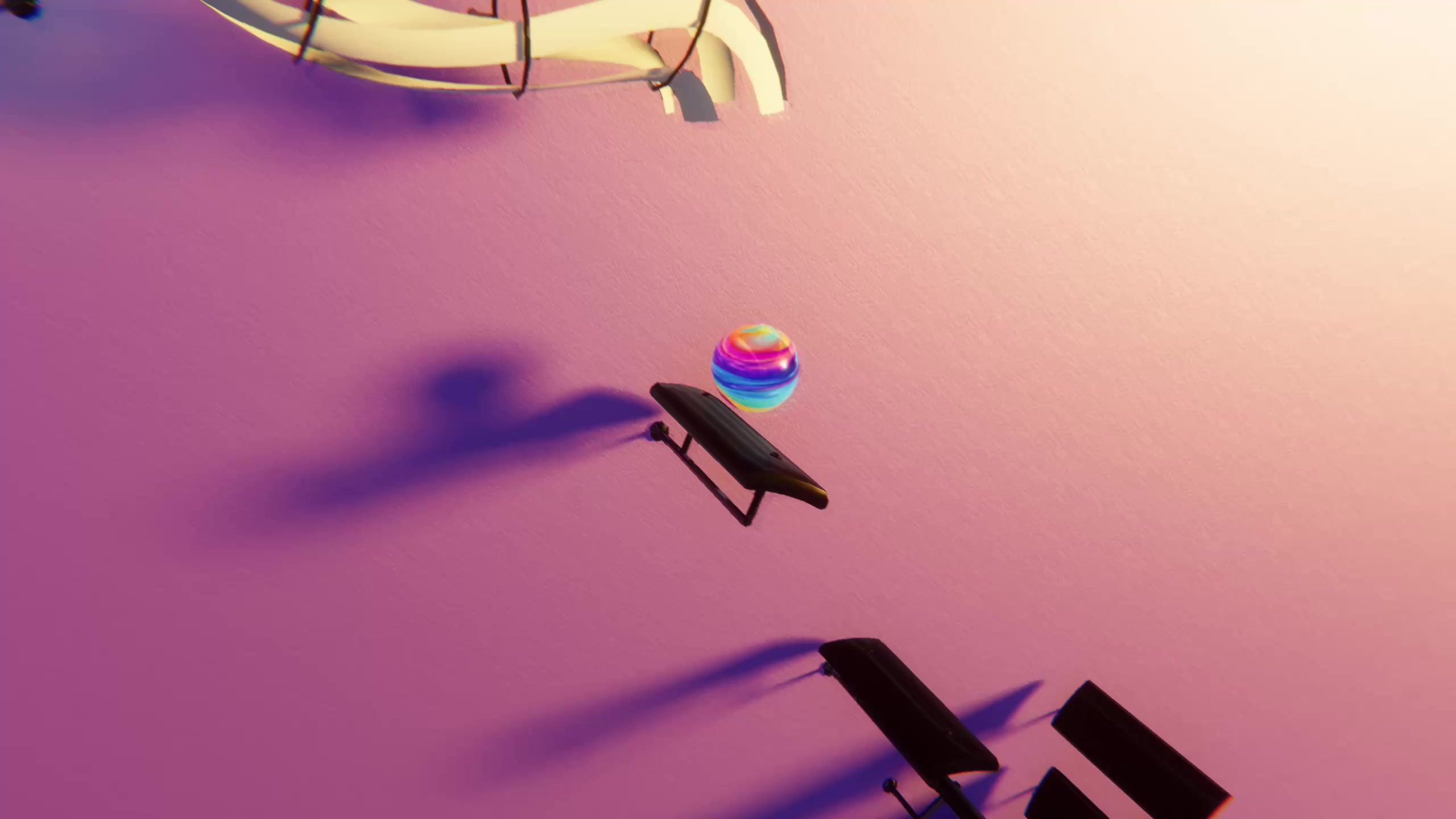
For a Christmas marble video that's safe to post, use two public-domain pieces: Tchaikovsky's Dance of the Sugar Plum Fairy and the instrumental melody of Carol of the Bells. Both have free MIDI files on /midis, both are recognizable within a few notes, and both look great as glowing bounces.
They also suit very different moods, which gives you two kinds of holiday clip from one setup. Sugar Plum Fairy is delicate and sparkly. Carol of the Bells is driving and tense. Below is why each works, which part to clip, how to keep the copyright side clean, and a simple plan for posting from December 1 to Christmas Eve.
Pick 1: Dance of the Sugar Plum Fairy
The Dance of the Sugar Plum Fairy comes from Tchaikovsky's ballet The Nutcracker, which premiered in 1892. Its famous sound is the celesta, a keyboard instrument whose hammers strike metal plates. According to Wikipedia's celesta article, Tchaikovsky came across the newly invented instrument in Paris in 1891 and used it for this dance.
Why it suits a marble video:
- Short, separated notes. The melody is made of light, plucked-sounding notes with small gaps between them, so each bounce reads clearly.
- Instant recognition. The first phrase is enough for most viewers to place it as "that Nutcracker music".
- A natural sparkle. Pair it with the brightest, most twinkly theme you have and the music and visuals say the same thing.
MIDI: Dance_of_the_Sugar_Plum_Fairy.mid. There's also a second version, Sugar-plum-fairy.mid. Import both into Marble Music (formerly Beat Bounce) and keep whichever gives cleaner bounces. Check the license of any MIDI you didn't make yourself.
Best clip: the first file is a short arrangement, about 40 seconds, that starts right on the melody, so there's no introduction to trim. Run through the first two phrases for a complete musical thought in roughly 15 to 20 seconds, or use the whole file for a slightly longer clip.
Pick 2: Carol of the Bells (instrumental only)
Carol of the Bells is built on Shchedryk, a Ukrainian New Year's song arranged by composer Mykola Leontovych. The Carol of the Bells article on Wikipedia notes that the English lyrics were written in 1936 by Peter Wilhousky and are copyrighted, while Leontovych's music is not.
So the rule is simple: use the melody, never the words. No lyric captions, no sung version, no lines of the English text on screen.
Why it suits a marble video:
- A repeating four-note figure. The whole piece rides on one short pattern repeated over and over. A marble hitting that pattern again and again looks hypnotic.
- A natural build-up. Arrangements usually add layers and volume as they go, which gives your clip a rising-tension arc.
- Darker energy. It works for viewers who want something more dramatic than sleigh bells.
MIDI: Carol_of_the_Bells.mid.
Best clip: the file runs about 36 seconds. Open on the bare four-note pattern so the viewer recognizes it immediately, and end on the loudest full statement before the music thins out again.
Because the whole carol grows out of one short pattern, it also suits a loop-based game. In RingLoop, our sister app, the level editor turns each MIDI track into its own ring, so the carol builds layer by layer as each ring clears, and its "perfect loop" render option helps when you want a clip that repeats seamlessly.
Look and feel
| Sugar Plum Fairy | Carol of the Bells | |
|---|---|---|
| Mood | Delicate, magical | Driving, tense |
| Look to aim for | Bright, sparkly glow | Darker scene, strong contrast |
| Clip length | 15–20 seconds | 20–30 seconds |
| Caption style | "Nutcracker, but every note is a bounce" | "The marble plays Carol of the Bells" |
| Audience | Calm scrollers, families, ballet fans | Fans of epic or dramatic music |
For the general flow of rendering and posting, the bouncing ball video tutorial covers each step. Render in up to 4K, then upload the same master to each platform natively.
A Dec 1–24 posting plan
You don't need 24 different songs. Two pieces, a few themes and a weekly rhythm are enough.
- Week 1 (Dec 1–7): introduce both. Post the Sugar Plum Fairy clip early in the week and Carol of the Bells a few days later. Pin whichever gets the better response.
- Week 2 (Dec 8–14): change the look. Re-render each piece in a different theme. Same music, new look is a fair, low-effort variation.
- Week 3 (Dec 15–21): go longer. Post a full-length render of each piece on YouTube, and a "which version do you prefer?" post that shows two themes back to back.
- Dec 22–24: the calm finale. Post the gentlest version of Sugar Plum Fairy for late-evening viewing, and finish with your best-performing clip from the month.
If you want more variety, Jingle Bells and Silent Night are traditional and public domain as compositions. Just make sure the MIDI you use is one you're allowed to use. Modern Christmas hits are still under copyright, so posting covers of them carries copyright risk on every platform.
Make your holiday clips now
Download both MIDIs, import them into Marble Music, and render one test clip of each before December. That leaves time to pick themes and trim the start, so when December 1 arrives you're posting, not editing.
Frequently asked questions
- Is Carol of the Bells public domain?
- The melody is. It comes from Mykola Leontovych's Shchedryk, which is in the public domain, but the English lyrics Peter Wilhousky wrote in 1936 are still copyrighted. Use it instrumentally and leave the words out.
- What Christmas songs are copyright free?
- Traditional carols such as Jingle Bells and Silent Night are public domain as compositions, along with classical pieces like The Nutcracker. Modern Christmas hits are not, and a specific arrangement or recording of an old carol can still be owned by someone.